
Gratitude is one of the most meaningful values children can learn as they grow. Teaching children to appreciate the people, experiences, and little things around them helps encourage kindness, empathy, and stronger relationships.
At Choose The Right Nanny, we believe childcare goes beyond meeting a child’s everyday needs. The right caregiver also plays an important role in creating positive experiences, encouraging good values, and supporting a child’s social and emotional development. Parents and nannies can work together to make gratitude a natural part of everyday life, helping children understand the importance of kindness, appreciation, and respect.
Whether during the holidays or throughout the year, everyday moments provide wonderful opportunities to teach children gratitude. From recognizing small acts of kindness to appreciating time spent with loved ones, these simple lessons can shape how children understand and value the people around them.
Why Teaching Gratitude Matters
Gratitude is more than simply saying “thank you.” It is about helping children recognize kindness, appreciate what they have, and understand how their actions affect others.
When children learn gratitude, they have opportunities to develop important social and emotional skills, including:
- Empathy: Recognizing and appreciating other people’s feelings and efforts.
- Kindness: Understanding the importance of helping and treating others thoughtfully.
- Positive relationships: Learning to acknowledge and appreciate the people around them.
- Emotional awareness: Recognizing positive experiences and expressing appreciation.
- Respect: Understanding that even small acts of kindness deserve recognition.

Gratitude develops over time through everyday experiences, encouragement, and positive examples from the adults children look up to.
5 Simple Ways Parents and Nannies Can Teach Gratitude
Teaching gratitude does not require complicated lessons or activities. Small, consistent moments throughout the day can make a meaningful difference.
1. Lead by Example
Children often learn by observing the adults around them.
When parents and nannies express appreciation, acknowledge someone’s help, or thank others for thoughtful gestures, children begin to understand what gratitude looks like.
Simple phrases such as “Thank you for helping me,” “I appreciate you,” and “That was very thoughtful” demonstrate how to recognize kindness.
Children learn more from what adults consistently practice than from what they simply tell them to do.
2. Make Gratitude Part of Everyday Conversations
Encourage children to recognize positive moments throughout their day.
During dinner, bedtime, or quiet time together, ask simple questions such as:
- What made you happy today?
- Did someone do something kind for you?
- What was your favorite part of the day?
- Is there someone you would like to thank?
These conversations help children reflect on their experiences and recognize the people and moments they appreciate.
3. Encourage Small Acts of Kindness
Gratitude and kindness often go hand in hand.
Parents and nannies can encourage children to practice thoughtful actions, such as helping put toys away, sharing with siblings, making a thank-you card, or helping with simple household tasks.
These activities teach children that appreciation can be expressed through actions, not just words.
4. Create a Gratitude Jar or Journal
A gratitude jar is a simple activity that families and nannies can enjoy with children.
Place a jar in a common area and encourage children to write or draw something they are thankful for. Younger children can share their thoughts verbally while an adult writes them down.
At the end of the week or month, read the notes together and talk about the moments that made everyone happy.
This activity encourages reflection while creating a collection of meaningful family memories.
 5. Teach Children to Appreciate Everyday Moments
Gratitude does not have to be reserved for special occasions or receiving gifts.
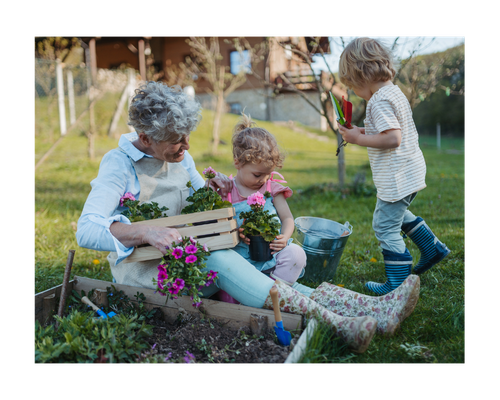
Encourage children to appreciate everyday experiences, such as spending time with family, playing outside, enjoying a favorite meal, reading a story, or having someone help them.
Helping children notice these little moments can make gratitude a more natural part of their daily lives.
How Nannies Can Reinforce Gratitude Through Everyday Care
Nannies have a unique opportunity to reinforce positive values because they share many everyday moments with children.
From playtime and mealtimes to bedtime routines and learning activities, caregivers can naturally incorporate gratitude into their interactions.
For example, a nanny can:
- Encourage children to say thank you when someone helps them.
- Model kindness and appreciation throughout the day.
- Include gratitude-themed crafts and activities.
- Encourage children to recognize thoughtful actions.
- Help children make cards or drawings for people they appreciate.
- Celebrate acts of kindness without expecting rewards in return.
The goal is not to force children to express gratitude but to help them understand and practice appreciation in ways that are appropriate for their age and development.
Making Gratitude Part of Your Family Traditions
Family traditions provide meaningful opportunities to teach children appreciation and togetherness.
Whether celebrating Thanksgiving, birthdays, holidays, or simple family gatherings, parents and nannies can involve children in activities that encourage gratitude.
Consider creating a gratitude tree where children write or draw something they appreciate on paper leaves. Families can also prepare thank-you cards, help children participate in age-appropriate meal preparations, or share one thing they appreciate about each other during dinner.
These traditions do not need to be elaborate. What matters is creating opportunities for children to connect, participate, and understand the importance of appreciation.
Parents and Nannies: Working Together to Build Positive Values
Children benefit when the important adults in their lives reinforce similar values and expectations.
Parents and nannies can work together by communicating about the behaviors they want to encourage, modeling respectful interactions, and recognizing opportunities to teach kindness and gratitude throughout the day.
At Choose The Right Nanny, we believe a successful nanny placement is about more than finding someone with the right qualifications. It is about finding a caregiver whose personality, values, communication style, and approach to childcare complement the family’s needs.
A nanny who understands and respects a family’s parenting philosophy can help create a more consistent and supportive environment for children to grow.
Raising Grateful Children Starts With Everyday Moments
Teaching gratitude is not about expecting children to be thankful for everything or making them feel guilty for what they don’t have. It is about helping them recognize kindness, appreciate meaningful experiences, and understand the value of giving as well as receiving.
Through everyday conversations, positive examples, and simple family traditions, parents and nannies can help children develop gratitude in ways that stay with them as they grow.
Sometimes, the most meaningful lessons come from the smallest moments: saying thank you, helping someone without being asked, or recognizing when another person has made their day a little brighter.
Because raising kind, thoughtful, and grateful children begins with the examples we set every day.
Looking for a Nanny Who Shares Your Family’s Values?
The right nanny does more than provide dependable childcare. They become a trusted partner in supporting your child’s growth, encouraging positive values, and creating meaningful everyday experiences.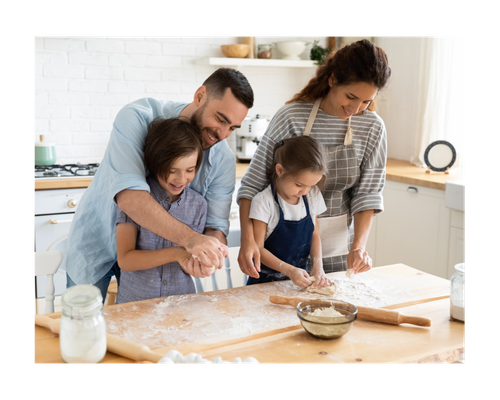
At Choose The Right Nanny, we help families find professional caregivers whose experience, personality, and approach to childcare align with their unique needs.
Schedule a Client Discovery Consultation to discuss your family’s childcare needs and learn how we can help you find a nanny who complements your family’s values and parenting approach.
Because finding the right caregiver means finding someone who understands what matters most to your family.
Leave A Comment