
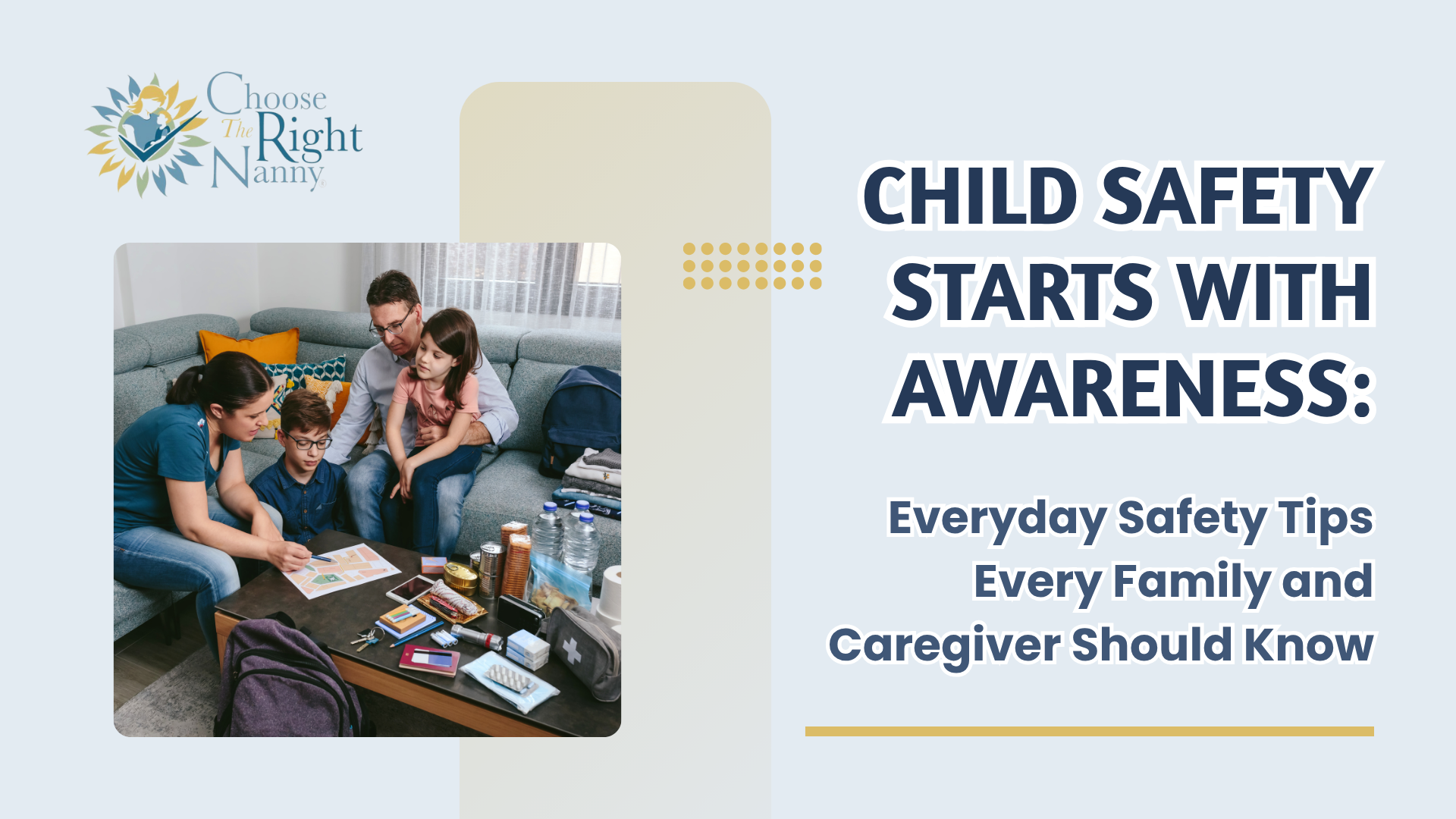
Every parent and caregiver shares the same goal: helping children grow up healthy, happy, and safe. From a baby’s first crawl to a child’s growing independence, every stage of development brings exciting milestones and new safety considerations.
At Choose The Right Nanny, we have spent more than 20 years partnering with families to provide professional caregivers who understand that child safety is about more than preventing accidents. It is about being attentive, prepared, and creating an environment where children feel secure enough to explore, learn, and thrive.
The good news is that keeping children safe does not require complicated routines or constant worry. Small, consistent habits can make a meaningful difference. Whether you are a parent, grandparent, nanny, or family caregiver, these everyday child safety tips can help create a home where children feel protected, supported, and confident.
Why Child Safety Starts With Awareness
Children are naturally curious. They learn by touching, climbing, running, asking questions, and testing their independence. While curiosity is an important part of healthy development, it also means adults must stay one step ahead.
Awareness is one of the most powerful tools for preventing accidents. By recognizing potential hazards before they become emergencies, families and caregivers can create an environment that encourages exploration while reducing unnecessary risks.
Child safety is not about eliminating every challenge. It is about creating thoughtful routines and making intentional choices that allow children to discover the world safely.
Create a Safe Home Environment
One of the easiest ways to protect children is by making your home as safe as possible.
As children grow, their abilities change quickly. A baby who could not reach a countertop last month may suddenly be climbing furniture, while an active toddler may begin opening cabinets or exploring areas they never noticed before.
Take time to walk through your home regularly from your child’s perspective.
Simple adjustments can make a significant difference, including:
- Securing bookshelves, dressers, and televisions to the wall
- Installing safety gates near stairways
- Covering unused electrical outlets
- Locking away medications, cleaning supplies, and sharp objects
- Keeping batteries, coins, magnets, and other choking hazards out of reach
- Testing smoke detectors and carbon monoxide alarms each month
Regular safety checks allow your home to grow alongside your child.
Water Safety Requires Constant Attention
Whether it is bath time, a swimming pool, a splash pad, or a family trip to the lake, water always requires close supervision.
Water related accidents can happen quickly and quietly, which is why active supervision is essential.
Keep these habits in mind:
- Stay within arm’s reach of young children around water.
- Never leave a child unattended during bath time.
- Empty buckets, water tables, and inflatable pools immediately after use.
- Keep pool gates locked with self closing latches.
- Encourage swimming lessons when children are developmentally ready.
No safety device replaces the watchful attention of a responsible adult.
Practice Safe Sleep for Infants
Healthy sleep begins with safe sleep.
Parents and caregivers should follow the same routines to help reduce sleep related risks.
Safe sleep recommendations include:
- Always place babies on their backs to sleep.
- Use a firm mattress with a fitted sheet.
- Keep blankets, pillows, stuffed animals, and crib bumpers out of the crib.
- Dress babies appropriately to avoid overheating.
- Follow your pediatrician’s guidance for your baby’s individual needs.
Consistency between caregivers provides both safety and comfort for infants.
Be Prepared for Emergencies
While no one expects an emergency, being prepared allows families and caregivers to respond with confidence.
Every caregiver should know:
Emergency Contacts
Maintain an updated list that includes:
- Parents’ phone numbers
- Pediatrician
- Emergency contacts
- Poison Control
- Nearby emergency hospital
Medical Information
Caregivers should understand:
- Food allergies
- Medication instructions
- Medical conditions
- Emergency action plans
 CPR and First Aid
Professional caregivers should maintain current CPR and First Aid certifications. Parents can also benefit from learning these important life saving skills.
Preparation provides peace of mind for everyone involved.
Teach Safety Without Creating Fear
Children learn best through calm guidance and everyday conversations.
Rather than focusing on what could go wrong, help children build confidence by teaching them how to make safe choices.
As they grow, encourage them to:
- Cross streets safely.
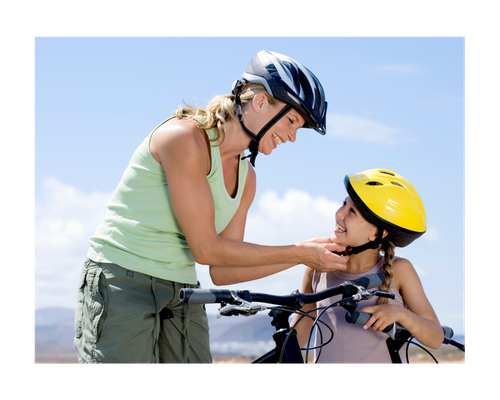
- Wear helmets while riding bikes and scooters.
- Recognize trusted adults.
- Practice basic fire safety.
- Ask for help whenever they feel uncomfortable.
- Develop healthy internet safety habits.
When children understand the reasons behind safety rules, they become active participants in protecting themselves.
Strong Communication Creates Safer Homes
One of the most valuable safety tools is open communication between parents and caregivers.
Sharing information consistently helps everyone respond to children’s needs with confidence.
Regular conversations should include:
Daily Routines
Consistent schedules help children know what to expect and create a sense of security.
Household Expectations
Clear rules allow children to receive consistent guidance, regardless of who is caring for them.
Health Updates
Discuss illnesses, allergies, medications, developmental milestones, behavioral changes, or anything that may affect a child’s care.
Emergency Procedures
Every caregiver should know exactly what to do if an emergency occurs and where important supplies are located.
Strong communication builds trust, consistency, and confidence for both children and adults.
Be Fully Present During Play
Children thrive when adults are actively engaged.
While phones and other distractions are part of everyday life, setting them aside during playtime allows caregivers to notice potential hazards while creating meaningful moments of connection.
Being fully present helps adults:
- Respond quickly if a child needs assistance.
- Encourage safe exploration.
- Support learning through play.
- Strengthen emotional connections.
Sometimes the greatest safety tool is simply paying attention.
Review Safety as Children Grow
Children’s needs change quickly, and safety practices should grow with them.
What works for an infant may no longer be appropriate for a curious toddler, and school age children face new challenges both inside and outside the home.
Taking time every few months to review your family’s safety routines helps ensure your home continues to meet your child’s changing needs.
Child safety is not a one time checklist. It is an ongoing commitment that evolves as children grow.
Every Safe Home Starts with Caring Adults
Keeping children safe is a shared responsibility. When parents and caregivers work together, children benefit from consistent routines, thoughtful supervision, and an environment where they feel secure enough to learn, play, and build confidence.
At Choose The Right Nanny, we understand that every family has unique needs, and finding the right caregiver is about more than experience alone. It is about finding someone who shares your family’s values, prioritizes your child’s well being, and becomes a trusted partner in your parenting journey.
If you are considering hiring a professional nanny or would simply like expert guidance on your childcare options, schedule your complimentary Discovery Consultation. We will take the time to learn about your family’s unique needs, answer your questions, and help you find a caregiver who brings confidence, consistency, and peace of mind to your home.
Because when children feel safe, they are free to do what they do best: learn, grow, and enjoy the wonder of childhood.
Leave A Comment